One-Punch Man’s Saitama: The Alienation of a Hero
The popular manga and anime series One-Punch Man follows the adventures of Saitama, an average young man who trained himself to become so powerful that he can defeat any opponent with a single punch. While this incredible strength makes Saitama an effective superhero, it also leads to his profound alienation from society. Saitama’s extreme power isolates him from other heroes and civilians.
When battling villains, Saitama dispatches enemies casually with one blow while other heroes struggle against them. This difference highlights how Saitama exists on a completely different level. His power dwarfs even the strongest heroes, like Genos or Bang. As a result, Saitama cannot relate to the difficult trials and gradual self-improvement that other heroes experience in their fight against evil. Saitama’s unbelievable strength means no fight provides stimulation or joy for him anymore. He tackles monumental villains and cosmic threats with the same apathy as buying groceries.
Saitama cannot recapture his passion, excitement, and sense of purpose when first becoming a hero. Now even the mightiest enemy poses no challenge. This boredom and detachment from his hero work further distances Saitama from others. Saitama’s extreme power isolates him emotionally. His strength makes it impossible to experience struggle, fear, or defeat. As a result, Saitama struggles to form meaningful connections. For instance, he remains oblivious to Genos’ reverence towards him as a teacher. Saitama cannot comprehend what drives others to become heroes or the life-or-death stakes they face. This gap in experience prevents Saitama from bonding with people, leaving him perpetually alone.
The clash between Saitama and the invading alien Boros starkly elucidates the depths of Saitama’s isolation. For Boros, their fight represents a historic chance to unleash his strength against a worthy adversary. In contrast, Saitama remains listless and bored, even as Boros overwhelms him with attacks. When Boros unleashes the ‘Collapsing Star Roaring Cannon’ – a strike powerful enough to destroy a planet – Saitama simply yawns before countering it with a ‘Serious Punch’. This casual display of limitless power utterly crushes Boros’ spirit along with his body. Saitama single-handedly defeats Boros’ ultimate technique without the slightest effort.
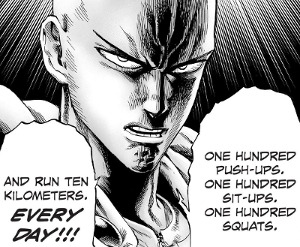
Their climactic battle illustrates the true tragedy of Saitama’s strength, dooming him to total disconnection from any chance of meaningful combat. Saitama will never again know the thrill of being challenged, the stakes of struggling, or a hard-won victory. Against Boros’ zeal, Saitama’s profound apathy starkly symbolizes his alienation. For all his power, Saitama remains utterly unable to recapture the passion that initially fueled his journey to become a hero.
His overpowering strength has permanently severed him from identifying with fellow heroes or villains who still feel human limitations. Saitama has become a solo actor in a play where only he has memorized all the lines in advance. He trudges on stage out of hollow obligation rather than drive or purpose. The Boros fight offers but one glimpse into Saitama’s psyche – an immortal god trapped in the performance of humanity.
Alienation and Saitama
Alienation is a multifaceted socio-psychological phenomenon extensively discussed in academic literature. At its core, alienation refers to a subjective experience of separation from some aspect of one’s intrinsic self or external social reality. Early examinations of alienation originate from existential philosophy. Without objective meaning imposed from external sources like religion or tradition, individuals confronted absurdity and nothingness in charting their own purpose and values (Heidegger, 1962). In social theory, Marx (1987) offered an analytic framework conceptualizing alienation under capitalism. He asserted that when labourers are divorced from ownership over the means and results of production, they become estranged from their creative capacities and fellow humans. Subsequent Marxist scholars extended these ideas, illuminating how capitalist social relations can fragment individuals’ self-identification with their work roles, community involvement, and political participation. Contemporary research continues exploring alienation’s diverse indicators and ramifications.
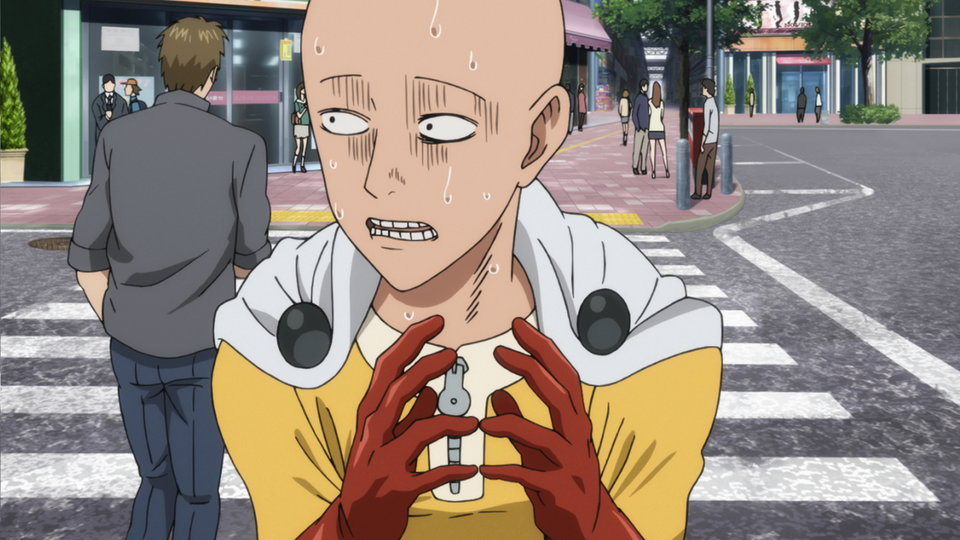
Saitama’s extreme strength leads to a profound alienation from society that echoes sociological concepts of alienation. Saitama’s isolation aligns with Marx’s idea of alienation from productive activity. As a hero, Saitama no longer finds meaning or purpose in the “work” of fighting villains because it has become effortless for him. He tackles enemies with the same mundane routine as any office job.
Saitama has become alienated from the validation and fulfilment his hero work once provided him. Similarly, Saitama’s disconnection from other heroes parallels Marx’s concept of alienation from the species-being. His power isolates him from the collective purpose and identity heroes share. Saitama cannot relate to the struggles of binding heroes together or finding companionship through shared experiences. His species-being as a hero remains out of reach.
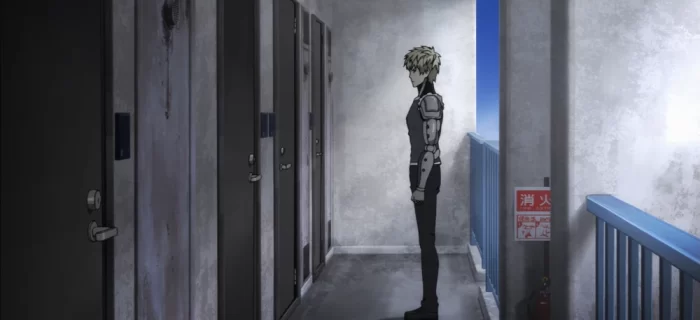
fter Saitama rapidly ascends the hero rankings due to his feats, he remains wholly unaware of the competitive resentment his advancement fosters amongst peers. When A-Class heroes like Golden Ball bitterly remark on Saitama unfairly surpassing them despite being a novice, he does not comprehend their grievances. Saitama remains detached from the politics and social ladder-climbing motivating other heroes. Having become the most powerful hero already, he has no conception of professional rivalry or vying for status. His indifference to the reactions of Golden Ball and others underscores Saitama’s profound dissociation from normal social dynamics. Where other heroes still grasp for advancement and renown, Saitama is completely isolated from such human desires. Having lost a sense of challenge long ago due to his strength, Saitama is unaffected by competition or public glory. Scenes like this highlight how his singular status severs his connections to others. He exists on a separate plane, untouched by interpersonal friction or achievement-seeking that drive most heroes and human beings.
Saitama “is” Powerless

While Saitama possesses unmatched physical strength, his capabilities have ironically stripped him of power over several aspects of his life.
First, his power creates powerlessness in forming meaningful relationships with others, especially fellow heroes. His peerless abilities isolate him, making it impossible for Saitama to bond through shared struggle and purpose. When Genos passionately pledges to become Saitama’s loyal disciple after witnessing his power, Saitama remains utterly confused by Genos’ devotion. He does not grasp why this talented young hero wishes to study under him, even forgetting Genos’ name at first. This comedic exchange highlights Saitama’s detachment from meaningful human bonds. Where Genos is moved by aspiration and admiration, Saitama cannot comprehend such profound emotions. Having become preternaturally strong long ago, Saitama lost touch with the passions that drive others to improve themselves and form connections. His apathetic reaction to Genos’ heartfelt devotion reveals Saitama’s permanent dissociation from relatability. Though Genos sees a mentor in Saitama, Saitama fails to reciprocate even superficially. This interaction powerfully demonstrates Saitama’s isolation – his sheer strength has barred him from partaking in fundamental human experiences like aspiration, improvement, friendship, and belonging. He is doomed to disappoint others perpetually, seeking meaning he cannot provide, frozen in permanent disconnect.
One-Punch Man’s Saitama: The Alienation of a Hero

The popular manga and anime series One-Punch Man follows the adventures of Saitama, an average young man who trained himself to become so powerful that he can defeat any opponent with a single punch. While this incredible strength makes Saitama an effective superhero, it also leads to his profound alienation from society. Saitama’s extreme power isolates him from other heroes and civilians.
When battling villains, Saitama dispatches enemies casually with one blow while other heroes struggle against them. This difference highlights how Saitama exists on a completely different level. His power dwarfs even the strongest heroes, like Genos or Bang. As a result, Saitama cannot relate to the difficult trials and gradual self-improvement that other heroes experience in their fight against evil. Saitama’s unbelievable strength means no fight provides stimulation or joy for him anymore. He tackles monumental villains and cosmic threats with the same apathy as buying groceries.
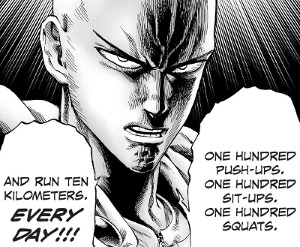
Saitama cannot recapture his passion, excitement, and sense of purpose when first becoming a hero. Now even the mightiest enemy poses no challenge. This boredom and detachment from his hero work further distances Saitama from others. Saitama’s extreme power isolates him emotionally. His strength makes it impossible to experience struggle, fear, or defeat. As a result, Saitama struggles to form meaningful connections. For instance, he remains oblivious to Genos’ reverence towards him as a teacher. Saitama cannot comprehend what drives others to become heroes or the life-or-death stakes they face. This gap in experience prevents Saitama from bonding with people, leaving him perpetually alone.
The clash between Saitama and the invading alien Boros starkly elucidates the depths of Saitama’s isolation. For Boros, their fight represents a historic chance to unleash his strength against a worthy adversary. In contrast, Saitama remains listless and bored, even as Boros overwhelms him with attacks. When Boros unleashes the ‘Collapsing Star Roaring Cannon’ – a strike powerful enough to destroy a planet – Saitama simply yawns before countering it with a ‘Serious Punch’. This casual display of limitless power utterly crushes Boros’ spirit along with his body. Saitama single-handedly defeats Boros’ ultimate technique without the slightest effort.
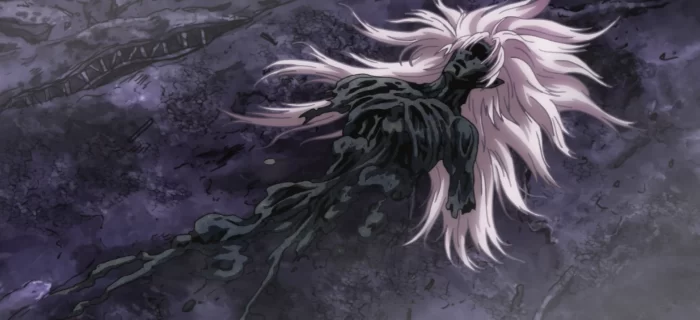
Their climactic battle illustrates the true tragedy of Saitama’s strength, dooming him to total disconnection from any chance of meaningful combat. Saitama will never again know the thrill of being challenged, the stakes of struggling, or a hard-won victory. Against Boros’ zeal, Saitama’s profound apathy starkly symbolizes his alienation. For all his power, Saitama remains utterly unable to recapture the passion that initially fueled his journey to become a hero.
His overpowering strength has permanently severed him from identifying with fellow heroes or villains who still feel human limitations. Saitama has become a solo actor in a play where only he has memorized all the lines in advance. He trudges on stage out of hollow obligation rather than drive or purpose. The Boros fight offers but one glimpse into Saitama’s psyche – an immortal god trapped in the performance of humanity.
Alienation and Saitama
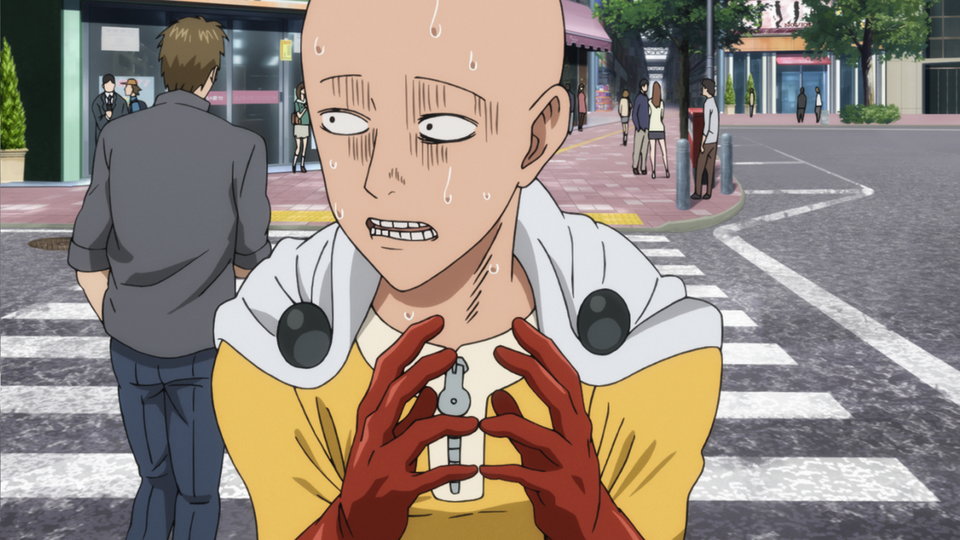
Alienation is a multifaceted socio-psychological phenomenon extensively discussed in academic literature. At its core, alienation refers to a subjective experience of separation from some aspect of one’s intrinsic self or external social reality. Early examinations of alienation originate from existential philosophy. Without objective meaning imposed from external sources like religion or tradition, individuals confronted absurdity and nothingness in charting their own purpose and values (Heidegger, 1962). In social theory, Marx (1987) offered an analytic framework conceptualizing alienation under capitalism. He asserted that when labourers are divorced from ownership over the means and results of production, they become estranged from their creative capacities and fellow humans. Subsequent Marxist scholars extended these ideas, illuminating how capitalist social relations can fragment individuals’ self-identification with their work roles, community involvement, and political participation. Contemporary research continues exploring alienation’s diverse indicators and ramifications.
Saitama’s extreme strength leads to a profound alienation from society that echoes sociological concepts of alienation. Saitama’s isolation aligns with Marx’s idea of alienation from productive activity. As a hero, Saitama no longer finds meaning or purpose in the “work” of fighting villains because it has become effortless for him. He tackles enemies with the same mundane routine as any office job.
Saitama has become alienated from the validation and fulfilment his hero work once provided him. Similarly, Saitama’s disconnection from other heroes parallels Marx’s concept of alienation from the species-being. His power isolates him from the collective purpose and identity heroes share. Saitama cannot relate to the struggles of binding heroes together or finding companionship through shared experiences. His species-being as a hero remains out of reach.
After Saitama rapidly ascends the hero rankings due to his feats, he remains wholly unaware of the competitive resentment his advancement fosters amongst peers. When A-Class heroes like Golden Ball bitterly remark on Saitama unfairly surpassing them despite being a novice, he does not comprehend their grievances. Saitama remains detached from the politics and social ladder-climbing motivating other heroes. Having become the most powerful hero already, he has no conception of professional rivalry or vying for status. His indifference to the reactions of Golden Ball and others underscores Saitama’s profound dissociation from normal social dynamics. Where other heroes still grasp for advancement and renown, Saitama is completely isolated from such human desires. Having lost a sense of challenge long ago due to his strength, Saitama is unaffected by competition or public glory. Scenes like this highlight how his singular status severs his connections to others. He exists on a separate plane, untouched by interpersonal friction or achievement-seeking that drive most heroes and human beings.
Saitama “is” Powerless
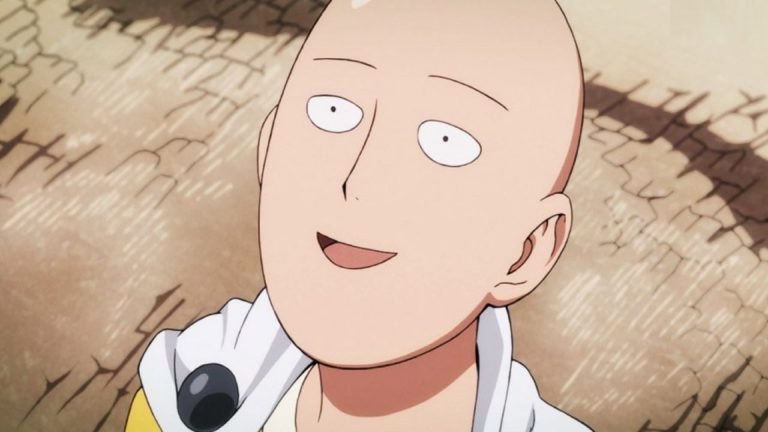
While Saitama possesses unmatched physical strength, his capabilities have ironically stripped him of power over several aspects of his life.
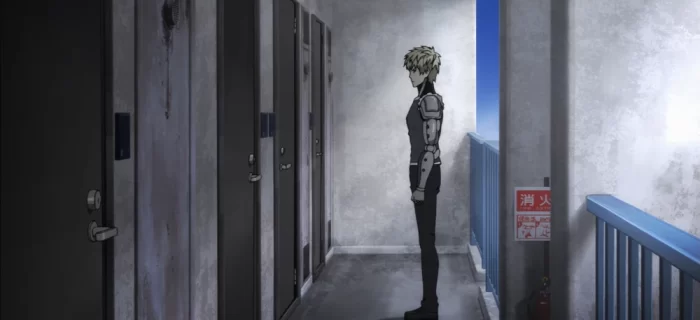
First, his power creates powerlessness in forming meaningful relationships with others, especially fellow heroes. His peerless abilities isolate him, making it impossible for Saitama to bond through shared struggle and purpose. When Genos passionately pledges to become Saitama’s loyal disciple after witnessing his power, Saitama remains utterly confused by Genos’ devotion. He does not grasp why this talented young hero wishes to study under him, even forgetting Genos’ name at first. This comedic exchange highlights Saitama’s detachment from meaningful human bonds. Where Genos is moved by aspiration and admiration, Saitama cannot comprehend such profound emotions. Having become preternaturally strong long ago, Saitama lost touch with the passions that drive others to improve themselves and form connections. His apathetic reaction to Genos’ heartfelt devotion reveals Saitama’s permanent dissociation from relatability. Though Genos sees a mentor in Saitama, Saitama fails to reciprocate even superficially. This interaction powerfully demonstrates Saitama’s isolation – his sheer strength has barred him from partaking in fundamental human experiences like aspiration, improvement, friendship, and belonging. He is doomed to disappoint others perpetually, seeking meaning he cannot provide, frozen in permanent disconnect.
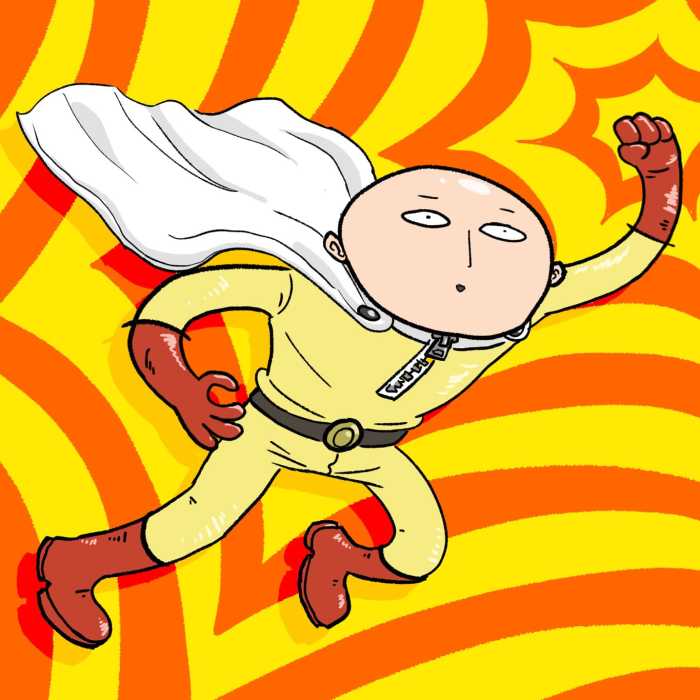
Second, Saitama’s power renders him powerless against boredom. With no enemies posing a challenge, he finds no fulfilment or stimulation from combat. Saitama has lost power over experiencing passion and excitement.
When faced with the formidable ninja villain Sonic, Saitama remains utterly unimpressed despite Sonic utilizing his full speed and lethal weapons. Sonic desperately unleashes his barrage of claws, sword strikes, and projectiles in an attempt to gain an advantage over Saitama. Yet Saitama evades the attacks with casual, minimal movements, yawning and picking his ear while chiding Sonic for not fighting seriously. This stark contrast between Sonic’s utmost effort and Saitama’s bored indifference highlights the vast disconnect caused by Saitama’s power. Sonic still experiences real challenges and the possibility of defeat, but Saitama has long forgotten such sensations. Even an intense assault from a deadly foe feels like child’s play to him now. Saitama criticizes Sonic for holding back when, in reality, no enemy can come close to matching Saitama anymore. This scene bears the tragedy of Saitama’s strength, severing him entirely from the thrilling uncertainty that combat still provides others. Faced with Sonic’s passion, Saitama’s apathy only further crystallizes his profound alienation and isolation as a hero.
Most tragically, Saitama’s physical power creates powerlessness over finding meaning and happiness. Though he pursued strength to become a great hero, it has robbed him of the sense of purpose he sought. This demonstrates the ultimate paradox – how the pursuit of power can lead to a profound loss of power. Hence, Saitama’s supreme abilities generate powerlessness that socially isolates him, bores him, disconnects him from others, and strips away the meaning he seeks through becoming powerful. His journey provides a poignant warning about the relationship between agency and strength.
Between Good and Evil
While Saitama’s profound isolation could theoretically position him between good and evil, a closer examination reveals a more complex picture. Although apathetic during fights, Saitama routinely risks his life to stop villains from harming others. This suggests an innate heroism persists despite his detachment.
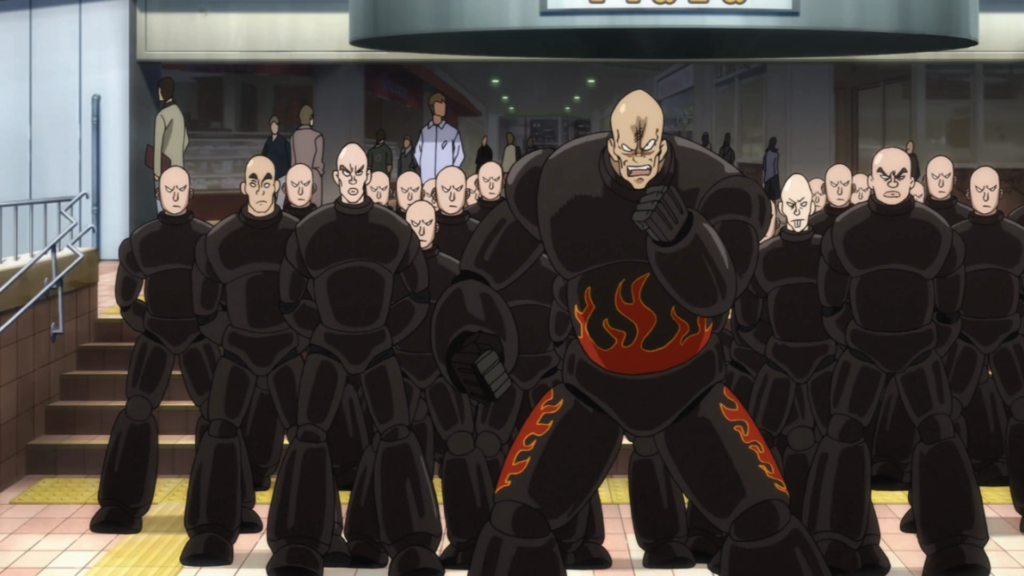
When the Paradiser group tries recruiting Saitama by capitalizing on his detachment from society and lack of recognition, Saitama bluntly refuses to join them. He states that he never became a hero, seeking fame or approval from others. Rather, Saitama chose this path driven by his own sense of morality and purpose. This reveals the crucial truth that despite his profound alienation, Saitama retains an intrinsic set of heroic principles at his core. His isolation has not initially corrupted the fundamental nobility that led him down this path. Saitama’s rebuff of the Paradisers’ appeals proves he does not compromise his morals for validation or connection. Having lost touch with outward social systems, Saitama’s inner moral compass remains intact. This subtle yet powerful scene suggests that underneath his apathetic exterior, Saitama harbours an incorruptible morality immune to the corrosion of alienation. His character represents an existential parable of retaining integrity even when utterly detached on the surface.
Thus, while Saitama’s alienation does dissociate him from traditional systems of justice and create moral ambiguity, glimpses of virtuous qualities suggest less a malevolent heart and more a fundamentally good man struggling to rediscover purpose. His moral alignment may be grey, but he is leaning closer toward light than true darkness.
Despite his profound apathy in battle, Saitama is careful to avoid lethal force when facing human opponents like Sonic and Suiryu. Even when pressed or provoked during these fights, Saitama deliberately holds back to prevent seriously injuring them. This discretion reveals his lingering principles despite his dissociation. Saitama abstains from exploiting his full power against outmatched human rivals, avoiding unnecessary violence. Where other detached heroes may have sacrificed empathy or mercy due to isolation, Saitama retains his moral foundations. His cautious restraint underscores how alienation has not utterly compromised his heroic ideals. Scenes like these offer glimpses of Saitama’s enduring moral compass – a crucial counterpoint to his outward apathy. They suggest that beneath his existential ennui, Saitama has not forfeited his humanity and morals. This paints his character with nuance rather than allowing a simplistic descent into amorality.
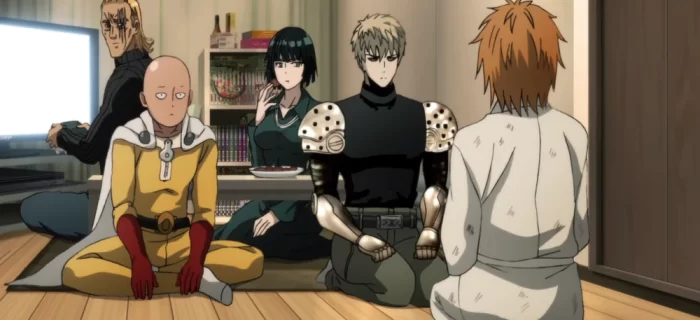
Looking closely, Saitama cannot be categorized simply as good or evil, hero or villain. His profound alienation colours his moral landscape in shades of grey, but those greys contain complexities and even traces of light. Saitama drifts into apathy and boredom during his hero work, but he continues doing the work nonetheless.
Though Saitama finds administrative Hero Association meetings dull and pointless, he diligently participates and completes any assigned paperwork. He upholds these bureaucratic duties reliably despite expressing irritation at pointless formalities. Saitama’s consistency in attending meetings and completing reports he deems mundane highlights his retained professional discipline and work ethic. Even as an alienated hero who has surpassed the need for an organization’s oversight, he adheres to his expected responsibilities. Saitama does not abandon the structures and rules of society despite feeling disconnected from their relevance to him. His diligence with boringHero Association obligations suggests that alienation has not caused Saitama to disregard discipline, order and duty. It reinforces that his profound isolation remains nuanced – aspects of his humanity, like accountability, persist alongside his detachment. Scenes like these provide small but significant glimpses of Saitama’s fundamental integrity enduring within his existential crisis.